An insulated electric garage door has foam inside its panels or slats and seals around its edges. That keeps a garage warmer and less draughty than a thin single-skin door. It is worth having if the garage shares a wall with your home, sits under a bedroom or gets used as a working space. For a detached garage that only holds a car, the extra spend may matter less. The answer depends on how you use the room behind the door more than on the door itself.
What makes a door insulated?
The foam is the part everyone notices, but it only works well alongside the outer skin and the seals. A foam core slows the heat passing through the door. A double skin holds that core in place and gives the door its stiffness. Seals close the gaps around the edge, and those gaps are where most of the cold air actually arrives.
That last part is easy to overlook. A thick door with a poor bottom seal will still let in a chill along the floor. On a windy day, a draught at the threshold is the thing you feel first, so ask about the seals as well as the panel.
Sectional or roller?
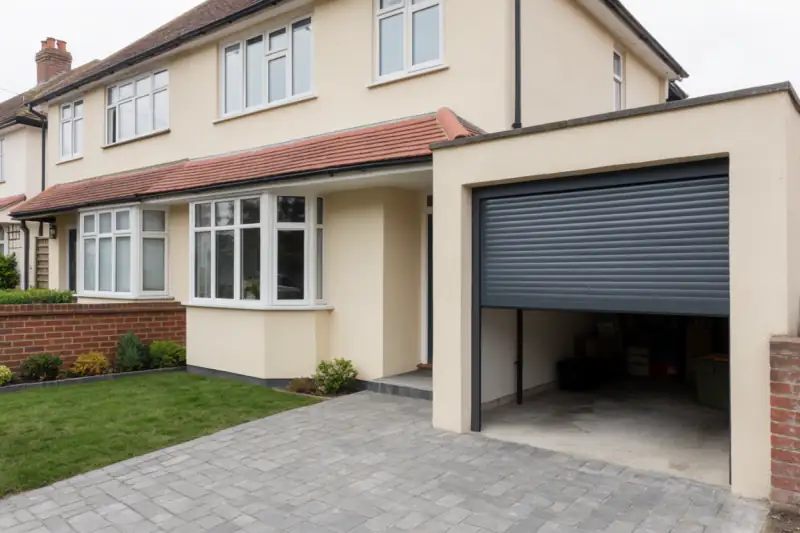
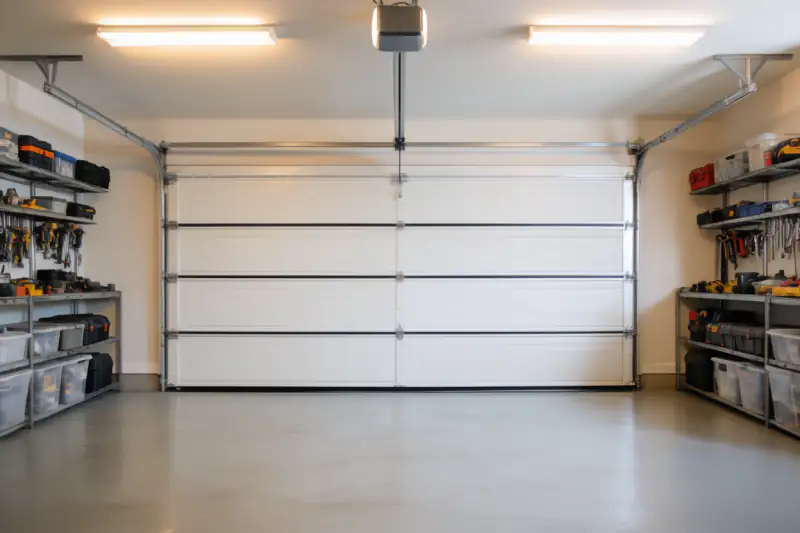
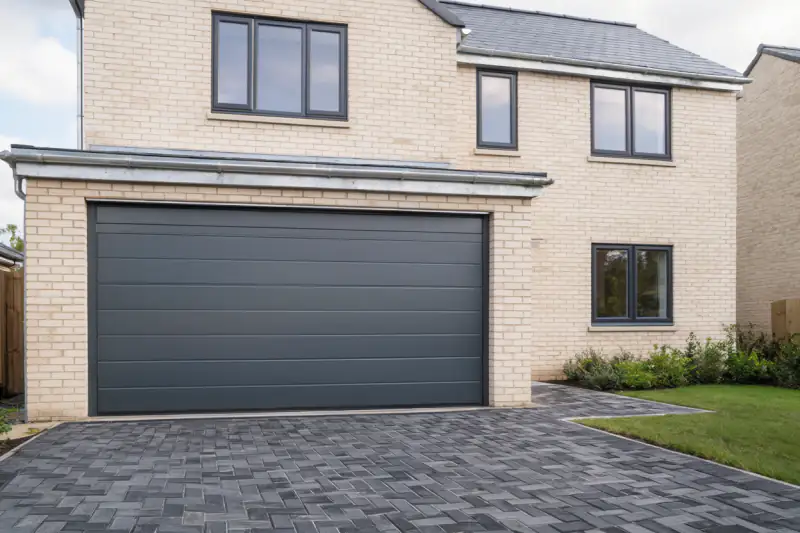
The two usual routes are a sectional door with foam-filled panels or a roller door with foam-filled slats. A double-skinned sectional door is typically the strongest performer, with rubber seals at every joint. A foam-filled roller is a good option when you want the ceiling free, and it is still far better than a single-skin door. The slats are thinner, and a roller has more joints along its height, so it gives up some performance for the space it saves.
Which garages really benefit?
Think about what sits on the other side of the garage walls. Integral garages are the clearest case. Homes in places like Washington often have garages built into the house, so a draughty door can chill the rooms next to it. A bedroom over the garage is a similar story, as the floor above can feel cold all winter.
Working spaces come next. Anyone who trains in the garage or spends weekends working on a car will want the room to be usable in January. A warmer room is only part of it, because insulated doors are quieter too. They cut some of the street noise coming in, and some of the noise you make going out, which your neighbours may well appreciate.
Exposed homes can gain as well. South Shields takes its weather straight off the North Sea, and a well-sealed door keeps out wind-driven rain. That helps even if warmth is not your main aim.
When it may not be worth the money
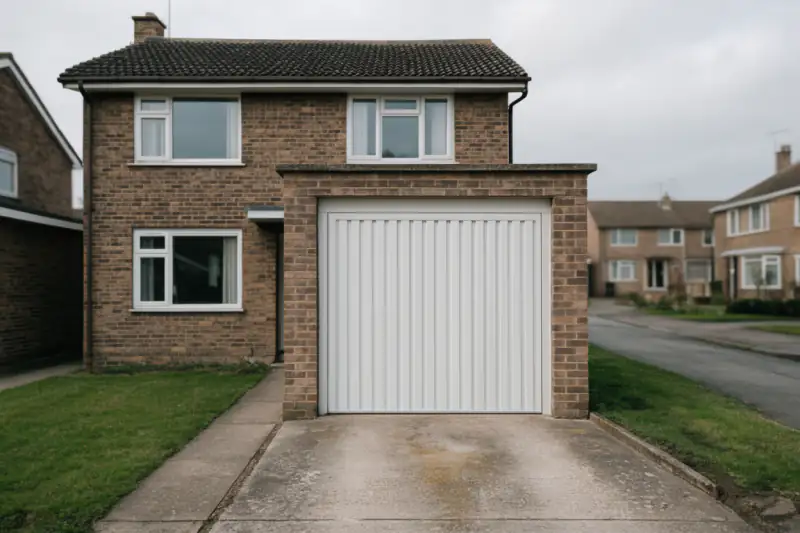
A detached garage with single-skin brick walls and a thin roof will lose heat through everything except the door. Spending more on foam will not change much there. If you only keep a car and some garden tools in it, a standard door may suit you just as well. Keep in mind that the walls and roof matter too. A warm door on a cold shell is only a partial fix, so look at the whole room if you plan to use it every day.
Will it stop condensation?
It can help, but it will not cure the problem alone. Condensation forms when damp air meets a cold surface, and a warmer door gives it fewer places to settle. Sealing a garage tightly also traps moisture, though, especially when a wet car comes in after a rainy drive.
Ventilation is therefore part of the job. Keep any wall vents clear, and leave the door open for a while after you put a wet car away if you can. If you store tools or bikes in there, this matters as much as the door.
How insulation changes the space and weight
Insulation adds bulk, and that shows up in two places when we measure. On a roller door, a foam-filled curtain is thicker than a plain one, so it winds into a larger roll. That can affect the box size above the opening, which makes it the first thing to check on a low lintel. On a sectional door, the panels park along the ceiling in the usual way, so you need the same clear headroom and ceiling run as any other sectional door. If you are still deciding between the two, our side-by-side look at roller and sectional doors covers the space each one takes.
Weight is the other change. Foam itself is light, but a double-skinned door is heavier than a thin single-skin one, and it adds up on a wide opening. Double-width insulated doors in particular need an opener specified for their size and weight.

Choosing a motor for a warmer, quieter garage
There is little sense in fitting a quiet, insulated door and then a loud motor, particularly under a bedroom. On a sectional door, this usually points to a belt drive, at a typical guide figure of £350 to £550. Direct drive, at £500 to £800, is the one for the quietest running. A chain drive at £250 to £400 is cheaper, and it may be fine where the garage is a workshop and noise does not matter.
A roller door normally has its motor built in, so the choice is made with the door. In a gym or workshop, you may also want the door to run on a smart module, so you can check from the house that it is shut.
What does insulation add to the cost?
Foam-filled doors cost more than plain ones, but the guides do not give a separate price for insulation. The most useful figures are those for each door type, for a single garage. These are typical 2026 UK guide ranges and not our price list:
| Door type | Fitted | Supply only |
|---|---|---|
| Electric roller | £900 to £2,000 | £700 to £1,400 |
| Electric sectional | £1,200 to £3,000 | £900 to £2,200 |
Where your door falls depends on its size and finish as well as the insulation. We would not promise a saving on your heating bills, because that depends on the garage and the house. The gain to expect is a more comfortable room. Our price guide breaks down the other costs.
Upkeep for an insulated door is mostly about the seals, since they do so much of the work. Wipe them clean a few times a year and replace any that split or flatten. Keep the door sweeping cleanly across the threshold, too, and test the safety features monthly, following your manual.
A good insulated door makes the most sense when you know what the room is for. Tell us how you use your garage, what sits next to it and the size of the opening, using the quote form at the top of this page. We will suggest the door that fits, and we will say so if a standard one would do.