
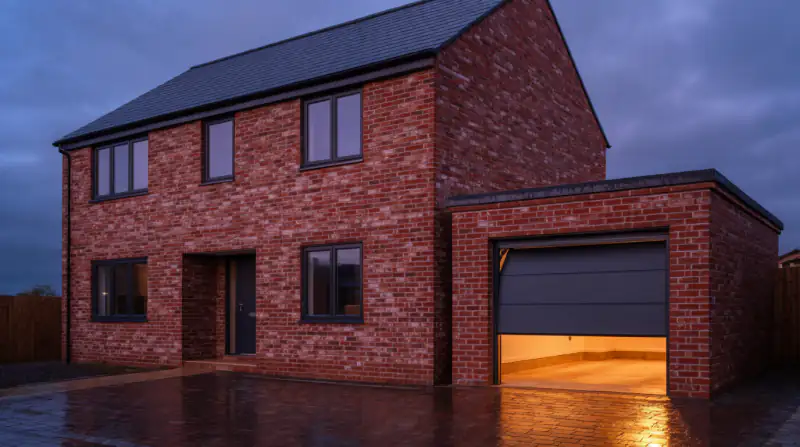
For a single garage, automating an existing up-and-over door typically costs £300 to £600 fitted. A new electric roller door typically costs £900 to £2,000, a sectional £1,200 to £3,000 and a side-hinged door £1,500 to £3,500. All the figures on this page are 2026 UK guide ranges and not our price list, so use them to budget and then ask for a quote on your own garage.
Typical fitted prices for a single garage
The fitted price is the figure most people need, because it covers the door or motor and the work of installing it. Use this table to see which option fits your budget.
| Option | Typical fitted price |
|---|---|
| Automate an existing up-and-over door | £300 to £600 |
| New electric roller door | £900 to £2,000 |
| New electric sectional door | £1,200 to £3,000 |
| New electric side-hinged door | £1,500 to £3,500 |
Some guides quote more for a roller door, up to about £3,200. A double door costs more than any of the single-garage figures here, because it needs more material and a stronger motor. If you are planning a double, treat the top of each range as a starting point. Our electric garage door cost guide gives a shorter summary.
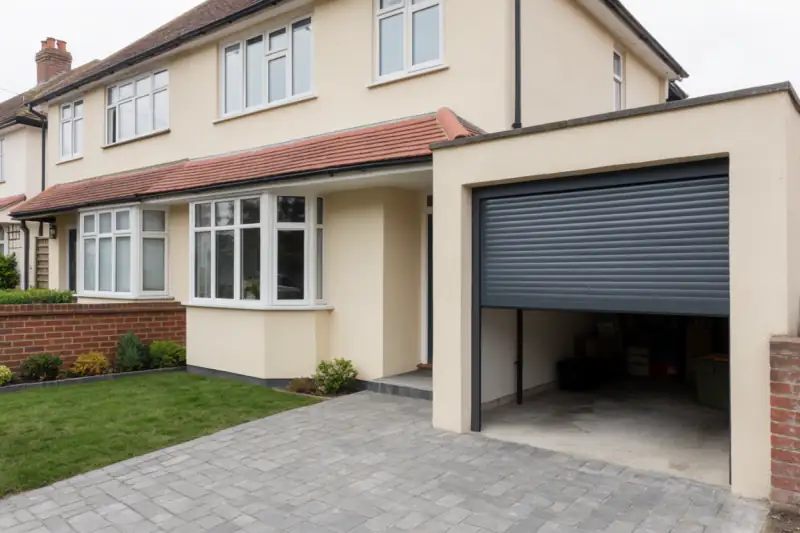
What do doors cost on a supply-only basis?
Supply-only prices are lower because they leave out the fitting. They suit people with a trusted installer lined up, but they are rarely a good DIY saving. Springs and cables are dangerous, and the safety settings have to be right before the door is used.
| Option | Typical supply-only price |
|---|---|
| Opener kit for an existing up-and-over door | £250 to £400 |
| Electric roller door | £700 to £1,400 |
| Electric sectional door | £900 to £2,200 |
| Electric side-hinged door | £1,100 to £2,800 |
How much does a garage door motor cost?
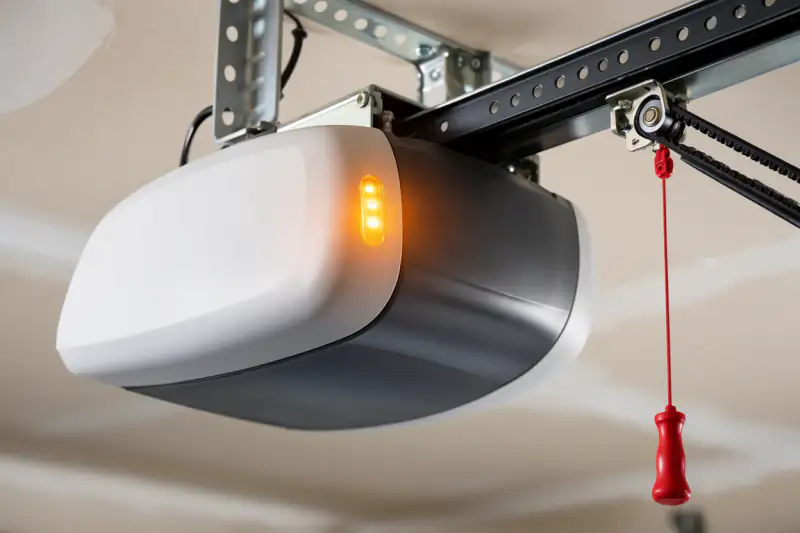
A chain drive is the usual value option, and the price climbs as the motor gets quieter. The figures below are typical guide prices for the motor type. Chain suits a detached garage well, while belt or direct drive makes more sense when a bedroom sits above or beside the garage.
| Motor type | Noise | Typical guide price |
|---|---|---|
| Chain drive | Louder | £250 to £400 |
| Belt drive | Quiet | £350 to £550 |
| Direct drive | Very quiet | £500 to £800 |
The motor makes up a large part of an automation job, so a quieter drive will lift the total. Our garage door automation page explains how to tell if your door is suitable before you budget for one.
Which extras should you budget for?
Power is the extra that catches people out. The opener needs a socket close by, and a new electrical supply is a job for a qualified electrician. The other two items below are optional, but each one solves a specific problem.
| Extra | Typical guide price |
|---|---|
| New power socket | £80 to £150 |
| Wi-Fi module | £30 to £60 |
| Battery backup | £50 to £120 |
A Wi-Fi module lets you check and operate the door from your phone, and our page on adding phone control to a garage door opener explains which openers can take one. Battery backup matters most if the garage is your only way in, as it keeps the door working in a power cut.
What moves the price up or down?
Two garages of the same size can end up with quite different quotes, and these are the usual reasons.
Size and opening
Wider and taller doors use more material and need a stronger motor. Many doors are made to measure, so an unusual opening can also add to the cost.
Insulation and finish
Foam-filled panels and curtains cost more, but they make an attached garage noticeably more comfortable. Colour-matched and premium finishes add to the price too, and you can see how the options compare on our insulated garage doors page. For a detached garage used only for parking, you may decide to save that money.
Condition of the old door
Worn springs, bent tracks or a damaged frame can turn a cheap automation job into poor value. Removing the old door may also appear as a separate line, so ask to see it on the quote.
Access and power
A socket within reach of the opener keeps the job simple. A detached garage with no electricity is a bigger question, because it needs a supply from a qualified electrician first. Ask them for a price before you commit, as the socket figure above may not cover a longer run.
Double garages
One wide door is easier to drive through, but removing a central pier is structural work. Keeping the pier and fitting two single doors can be simpler and cheaper. It also means you can still use one door if the other has a fault.
Is it cheaper to automate or replace?
Automating is cheaper when the door is sound, often by several hundred pounds or more. The lowest figure for a new roller door is £900, while the top of the automation range is £600. If the door is damaged or badly balanced, though, the sums change. Spending money on a motor for a failing door rarely pays off, because a motor can make the problems worse.
Age alone is no reason to replace a door. Lift it by hand first: a door that moves evenly is usually worth keeping. If you want the extra comfort of insulation, or your drive is too short for a door that swings out, a new electric door may be worth the extra spend.
What does an electric door cost to run?
Running an electric door costs very little. Published guides put it at under £25 a year for most households, and that includes standby use. It should not be a deciding factor, and your time is better spent choosing the door and motor.
How to compare quotes fairly
The cheapest quote may not cover the same job, so check what each one includes before you compare the totals. These are the questions to ask.
- Does the price include VAT?
- Is removal of the old door included?
- Is making good around the frame included?
- How many remotes come with the door?
- Which motor is being fitted?
- What guarantee applies to the door and the motor?
A guide range can only take you so far, because the real price depends on your opening, your door and your power supply. Use the quote form at the top of this page to tell us about your garage, with your postcode and any photos you have. We will send a written quote that sets out the work and the parts, so you can decide in your own time.