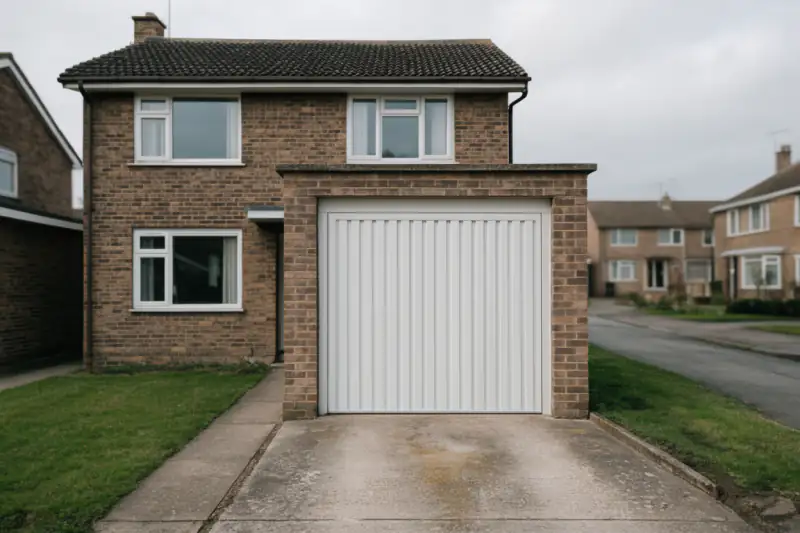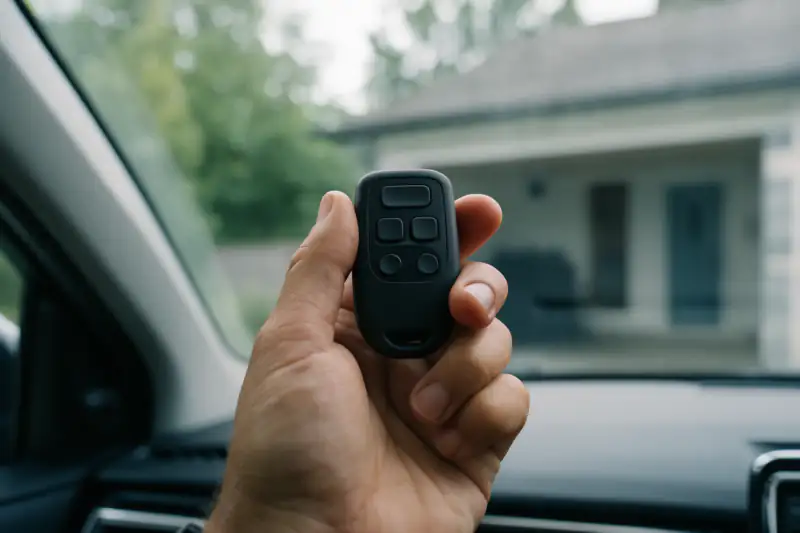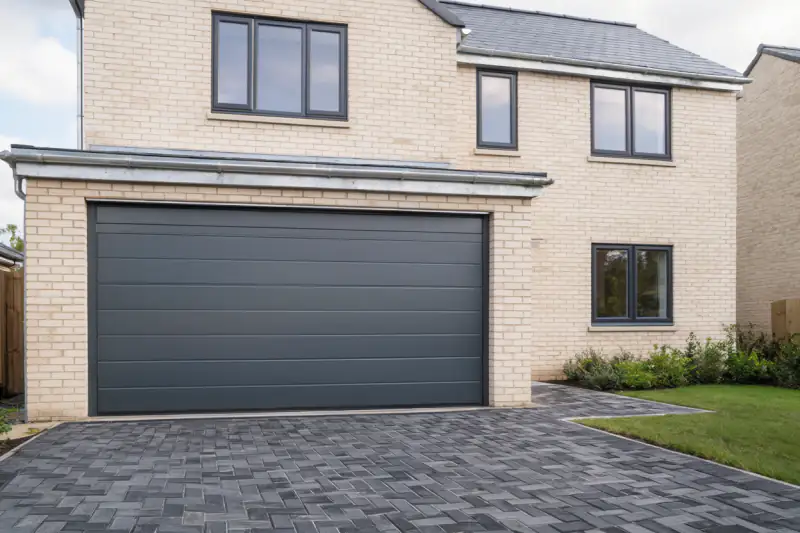
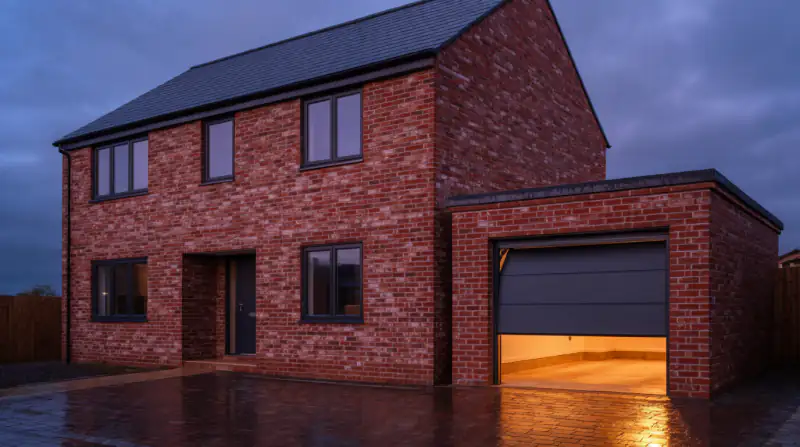
For a single garage, a new electric door typically costs £900 to £3,500 fitted, depending on the type. Adding a motor to an existing up-and-over door is the cheapest route, at about £300 to £600 fitted. These are 2026 UK guide figures and not our price list. A real quote depends on your opening and your door, and on a few extras that are easy to miss when you first set a budget.
Typical prices by door type
The door type sets the starting point, and the table below shows guide figures for a single garage. We have included supply-only prices because the gap between the two columns is a rough picture of what fitting adds.
| Job | Supply only | Supplied and fitted |
|---|---|---|
| Automating an existing up-and-over door | £250 to £400 | £300 to £600 |
| New electric roller door | £700 to £1,400 | £900 to £2,000 |
| New electric sectional door | £900 to £2,200 | £1,200 to £3,000 |
| New electric side-hinged door | £1,100 to £2,800 | £1,500 to £3,500 |
Some guides quote up to about £3,200 for a roller door, so a higher figure on a large or heavily specified door is not unusual. Side-hinged doors tend to cost the most because each leaf has to be driven. Our garage door price guide sets these figures out with more detail on each option.
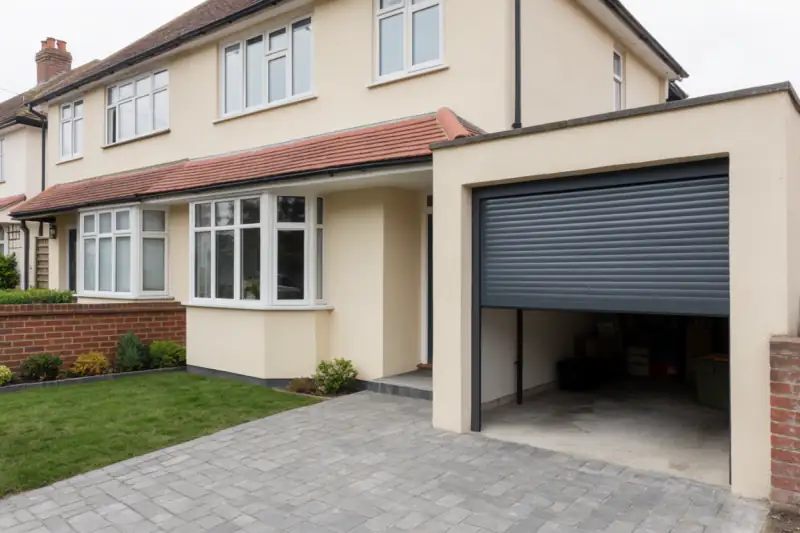
What pushes the price up?
Size is the biggest factor, closely followed by the specification of the door itself. A double door needs more material and a stronger opener, so it will sit well above the single-garage figures in the table.
Insulation
Foam-filled slats and double-skinned panels cost more than a plain door. That spend makes most sense if the garage shares a wall with your house, sits under a bedroom or doubles as a workshop. For a detached garage used only for parking, it may matter much less.
Finish and fit
Colour matching and premium panel styles add to the bill. So does an awkward opening, because many doors are made to measure and anything unusual takes longer to survey and fit. Near the coast, it can also be worth spending a little more on a finish that copes with salt air.
How much of the cost is the motor?
Guide figures put a chain drive at £250 to £400, a belt drive at £350 to £550 and a direct drive at £500 to £800. All three do the same job, so the choice mostly comes down to noise. A chain drive is the usual value option and suits a detached garage. If a bedroom sits above the door, the quieter belt or direct drive is often worth the extra money.
Is it cheaper to keep your old door?
Keeping your old door is usually the cheaper option, provided it is still sound. If it runs smoothly and stays balanced, adding an opener costs a fraction of a new door and gives you the same remote control.
The saving disappears if the door is rusted, twisted or running on damaged tracks. A motor will not cure any of that, and it may fail early from the extra strain. You would then pay twice, which is why we look at the door before we talk about the motor.
Extra costs that catch people out
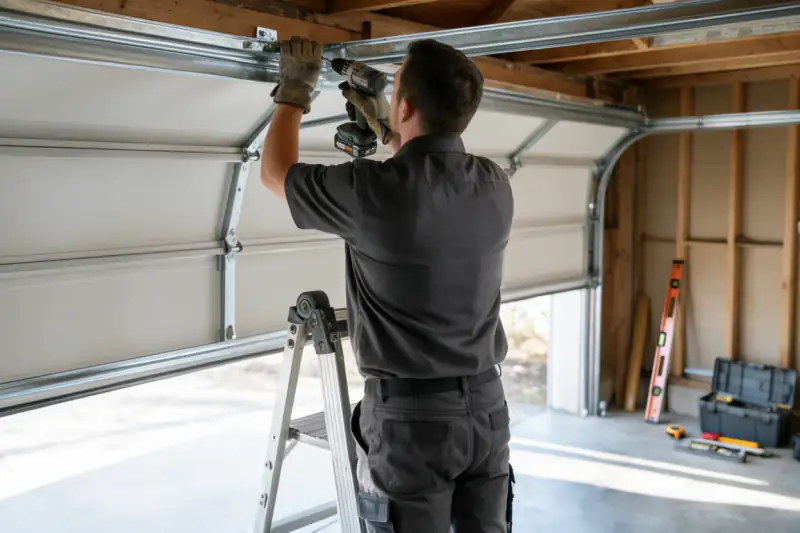
Most surprises come from the things around the door and not the door itself. These are the items to look for before you agree a price:
- A new socket typically costs £80 to £150, fitted by a qualified electrician if there is no power within reach.
- A Wi-Fi module for phone control is about £30 to £60.
- Battery backup adds about £50 to £120, and it is useful if the garage is your only way in.
- Removing the old door can be included in the quote, but check that it has been.
- Making good means tidying up around the frame once the old door is out.
A detached garage with no electricity at all is a bigger question, and it can happen with older rear garages in Whitley Bay and Monkseaton. A new supply is a job for a qualified electrician, so get that priced separately before you budget for the door.
Could you save money by fitting it yourself?
On paper you could, but the saving is smaller than it looks and we would not advise it for most people. The table shows that supply-only prices are not far below fitted prices at the lower end. In return, you take on some heavy lifting and careful setting up, along with the risk of getting it wrong.
An electric door also has to stop and reverse safely. BS EN 13241 covers domestic door safety, including force limits and obstacle detection, and those settings need testing properly. Springs and cables are dangerous and are never a DIY job.
What does it cost to run?
Running costs are under £25 a year for most households, so electricity should not affect your decision. A heavier door that opens many times a day will use more, but for a home garage the figure is small.
How to compare quotes fairly
Two quotes can look far apart and turn out to be close once you line them up. Check that each one covers the same door and the same motor. Count the remotes as well, because an extra handset for a second driver is easy to overlook. Then ask about VAT, removal of the old door and any work around the frame.
It also helps to ask what guarantee applies and what happens if the opening needs extra work on the day. The cheapest price may simply be for a smaller job. We set out the work and the parts in a written quote, so you can make that comparison line by line.
If you already know what you want, or you only have a rough idea, the next step is the same. Fill in the quote form at the top of this page with your opening size and door type. We will come back to you with a figure for your garage. If you would like to weigh up your options first, our roller and sectional comparison is a good place to start.