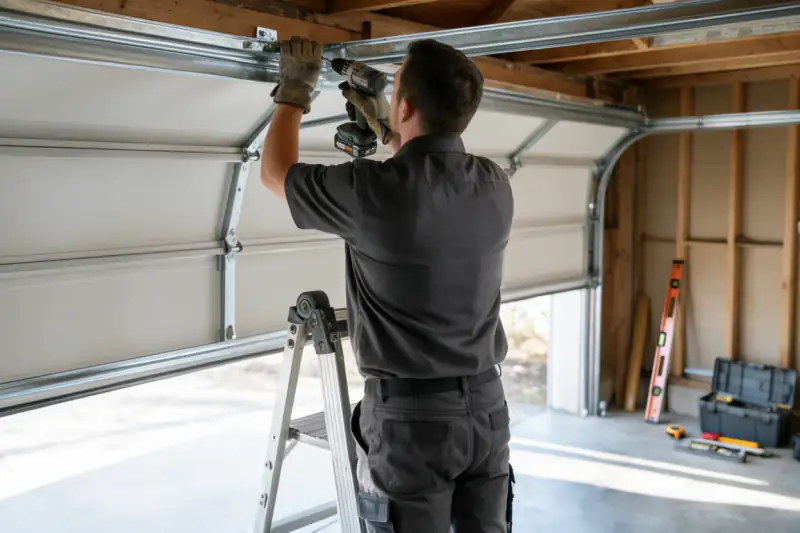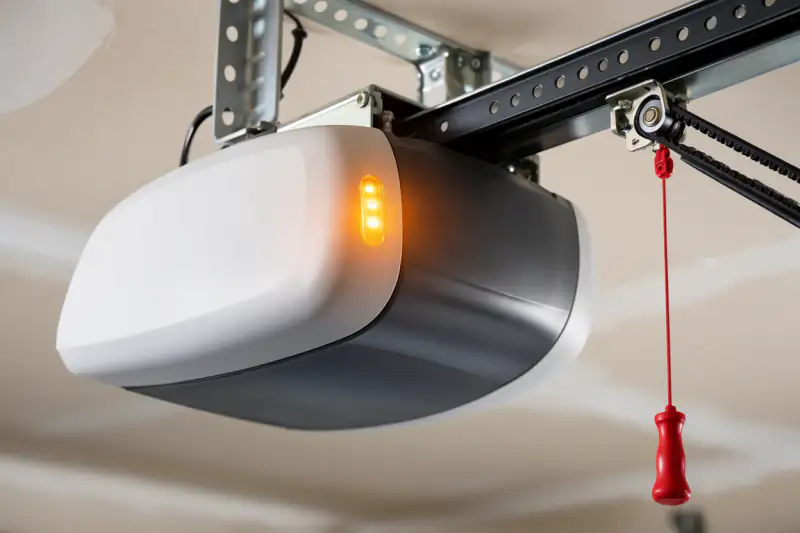
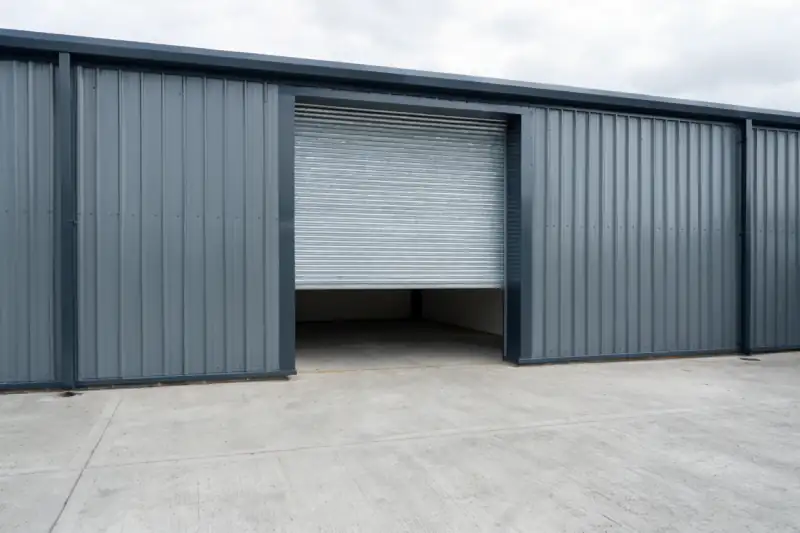
We supply, fit and motorise electric doors and roller shutters for workshops, industrial units and shared parking across Newcastle upon Tyne and the North East. We also repair existing commercial doors, offer planned servicing, and set up access for staff and residents.
Our commercial door service
A job can be a new door or shutter, a motor for an existing manual shutter, a repair, or planned servicing for a door that runs all day. We match the motor to how often the door runs, and set up handsets, keypads or multi-user receivers so access can be issued and removed person by person.
Start with the quote form at the top of this page, or email info@remotegaragedoor.co.uk if it is easier to send site photos. Tell us the width and height of the opening, roughly how often the door runs, what passes through it and how many people need access. Photos from inside and outside show us what sits around the opening. On managed sites, let us know who approves the work and who we should contact about access. We then send a written quote setting out the door, the motor and the access setup.
Commercial jobs vary too much for a useful guide price, and the figures on our price guide are for single domestic garages. If a worn shutter is not worth motorising, we will say so. Before handover, we test the safety features and check that every handset or keypad user works.
Why daily use decides the specification
Every motor is designed for a certain amount of work, known as its duty cycle. Run one beyond that and it will overheat or wear out early. An opener that is perfectly good on a house can struggle on a door that opens for every delivery.
A sensible estimate is enough. Count the openings on a normal day and on your busiest one, and tell us if trade is seasonal or the door stands open for long spells. A door that opens twice a day has different needs from one that runs constantly during shift changes.
Sizing for vans, plant and deliveries
Measure for the tallest thing that might ever come through, which may be taller than the vehicle you own today. A high-roof van or plant on a low loader can change the clear height you need. It is much cheaper to allow for this at the start than to find out later.
Shutters roll into a box above the opening, so check what is up there and around it.
- Lighting, pipes, ducting or cable trays above the door
- Racking or mezzanine edges close to the opening
- Side room for guides at either side
- The nearest power supply for the motor
- Any personnel door that staff could use instead
That last point matters more than it seems. If people can walk in through a separate door, the main door runs less often, and you still have a way in if it is ever out of action.
Controlling who gets in
Commercial sites rarely have one user, so access needs to be managed as well as installed. The right mix depends on how often your people change.
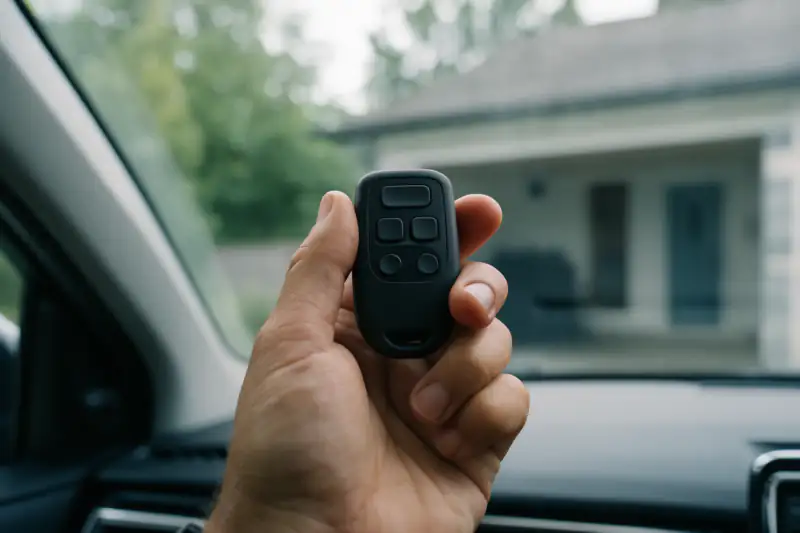
Handsets
Handsets work well for a small, settled team of drivers, and they are quick to use from a cab. They do get lost, though, so you need a system where a single unit can be removed.
Keypads
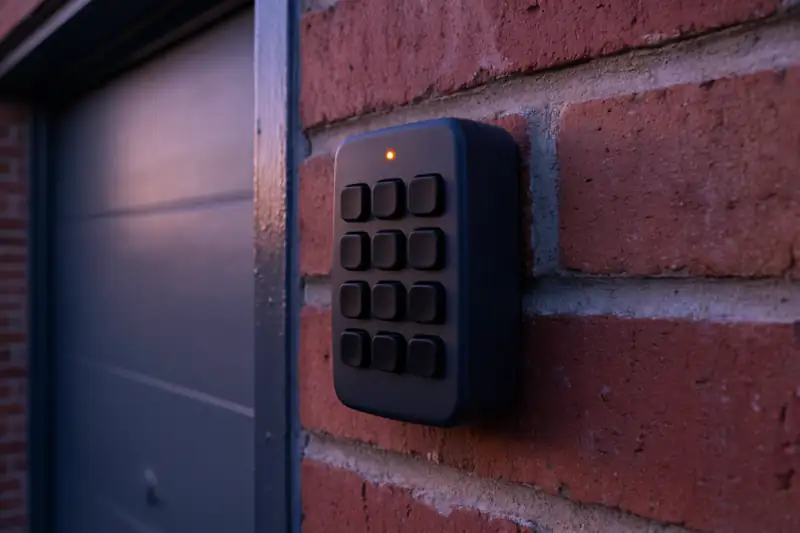
A keypad means there is nothing to hand out, which suits contractors and temporary staff. Where the keypad allows it, separate codes are better than one shared number, because you can cancel one person's access and leave everybody else's alone.
Keeping a record
Whichever you choose, keep a list of who holds what. When someone leaves, you can then remove their access straight away instead of wondering who still has a handset. Our remote and keypad replacement service can add new users and clear old ones from the receiver.
Shared parking and residential garage blocks
Shared garages have a different problem, because lots of residents rely on one door and there is usually nobody on site in charge of it. If that door stops, everyone is affected at once, and the managing agent hears about it first.
Handsets or keypads for each resident work well here, provided lost units can be removed one at a time. When a flat changes hands, the old owner's access can be cleared and the new owner's added. Residents above or beside the door will notice the noise, so a quieter drive is worth raising early. Some of the fault-finding advice on our repairs page also applies to doors of this kind, and it can help you describe a fault to us.
Can an existing shutter be motorised?
Many manual shutters can be motorised, depending on their condition and size. A shutter that is hard to lift, damaged or running badly in its guides needs sorting first, as a motor will only strain against it.
Before you ask for a price, roll the shutter through its full travel and note where it catches. Photograph the curtain, the guides and the barrel or box at the top, if you can see them safely. Older units with several shutters can often be upgraded one at a time, which lets you spread the cost and start with the door that gives you the most trouble.
Servicing and keeping the door safe
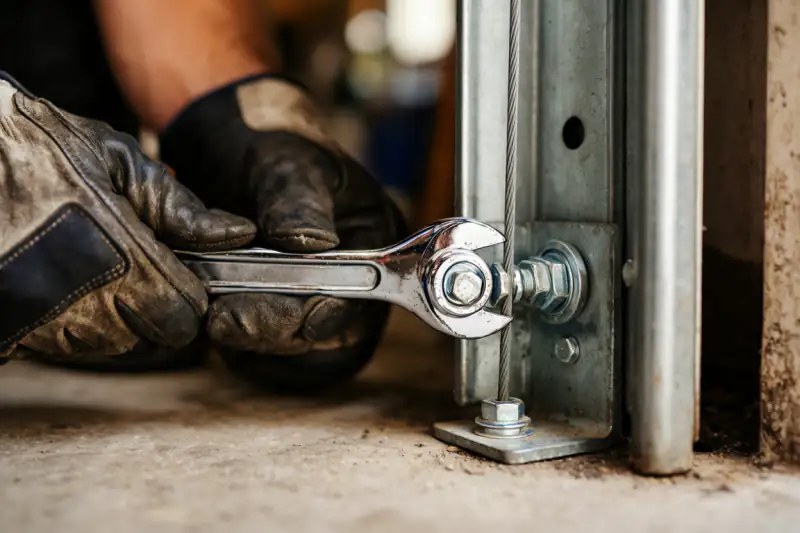
Powered doors in workplaces should be maintained so they stay safe, and a door that runs all day needs more attention than one that rarely moves. How often depends on the amount of use and the manufacturer's guidance. Check your own workplace safety duties too, as those will be specific to your site.
Between service visits, ask staff to report anything that changes, such as new noises, a slower door or a safety sensor that keeps tripping. Keep a simple log of faults and repairs, because it shows patterns and gives you a record of the door's history.
Once a commercial door is set up properly, it should simply get on with the job. Fill in the quote form at the top with what you can, include your postcode, and we will suggest a setup that suits your workload and the people using it. We cover towns across the North East.