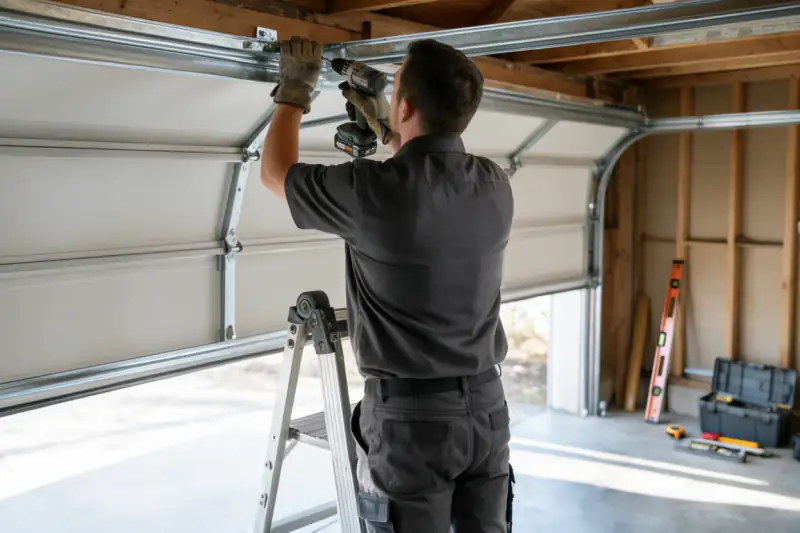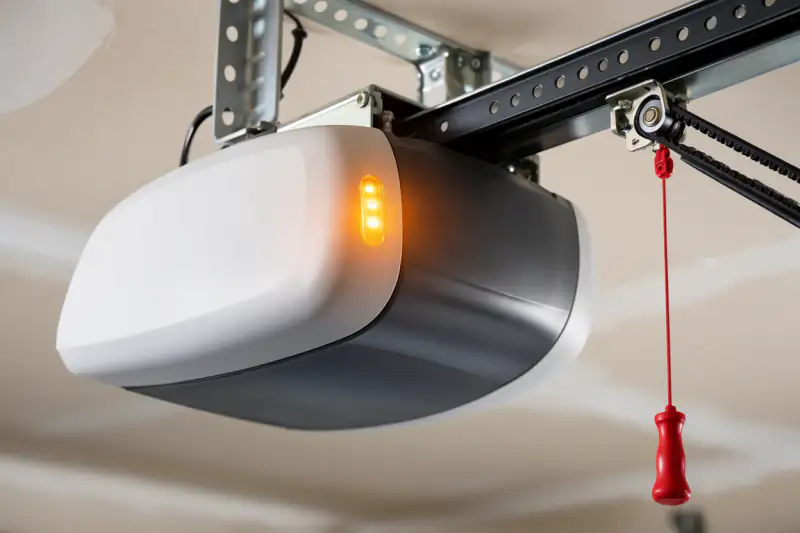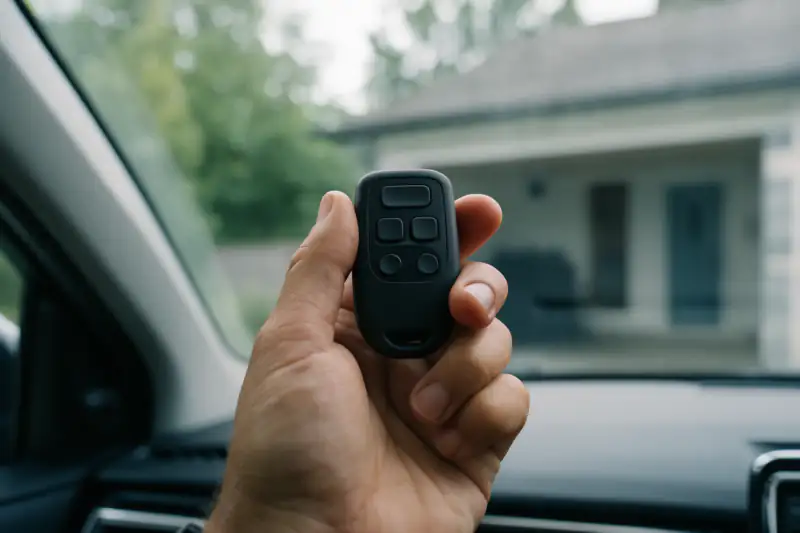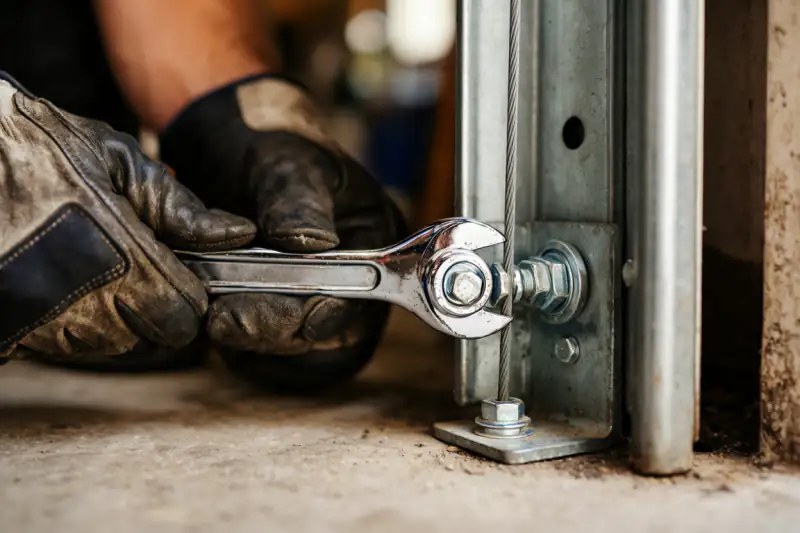
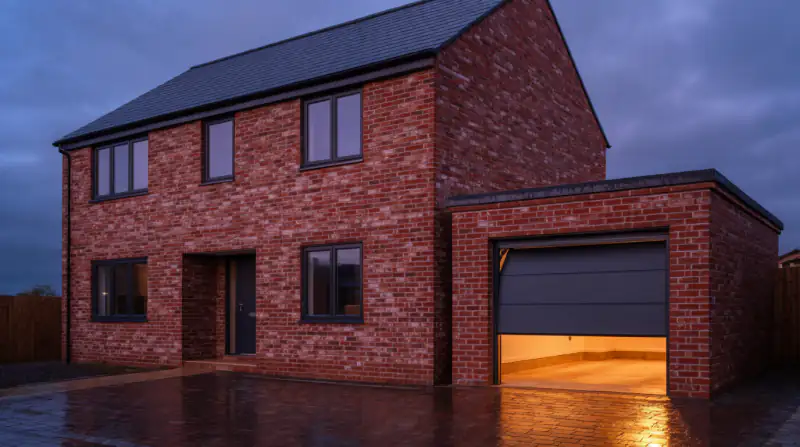
We fit new electric garage doors, add motors to manual doors, replace lost or broken remotes and repair doors that have stopped working. We are based in Newcastle upon Tyne and do this work across Tyne and Wear, Northumberland and County Durham. The service is the same everywhere we go, but the right door changes with the setting, from a Heaton back lane to a stone outbuilding near Hexham.
How working with us goes, wherever you live
Every job begins with the quote form at the top of this page or an email to info@remotegaragedoor.co.uk. There is no phone line, so written details do the work, and they also give you a record of what was said.
What to send
Your postcode tells us if we cover your area and which local factors are likely to matter. Then add the door type, the rough width and height of the opening and whether there is a socket in the garage. Photos help most: the door from outside, the space above the opening from inside and, if it applies, the drive, the lane or the route from the house. For a lost remote, a clear photo of the opener's label is often enough to identify the system.
Quote, work and handover
From those details we work out what is possible and send a written quote that sets out the door, the opener and the remotes. If a motor on your current door would serve you well, or a small repair would do, we tell you so. The opening is measured properly before any door is ordered. When the work is done, we test the force limits and obstacle detection, pair your remotes and show you the manual release before we leave.
Which towns and areas do we cover?
We cover Newcastle and the towns around it, reaching up to Morpeth, out to Hexham and down to Durham. On the coast, that takes in South Shields, North Shields, Tynemouth, Whitley Bay and Sunderland. Closer in, it includes Gateshead, Washington and Cramlington, plus Ponteland to the north-west. If your town isn't named here, put your postcode on the form and we will let you know. Within that patch, the setting of your garage often matters more than the postcode.
City streets and back lanes
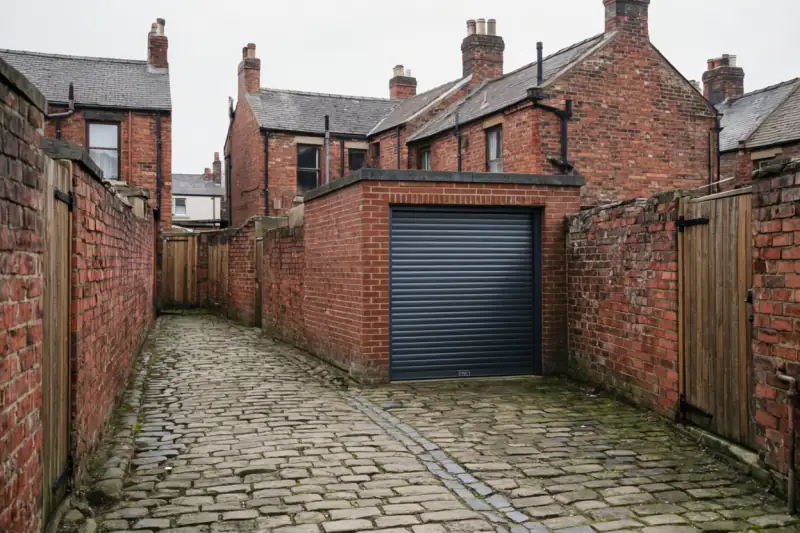
In tight urban streets, the main question is how much room you have to open the door. Terraces in Heaton and Sandyford often have garages opening onto narrow back lanes, where a door that swings out can be awkward. A roller or sectional door lifts straight up, so it takes no space from the lane.
Width can be just as tricky. Many older garages in Tynemouth and North Shields were built when cars were much narrower, and a door fitted behind the opening can sometimes keep the full brick-to-brick width. Mains power is the other thing to confirm on a back-lane garage. Our Newcastle upon Tyne page has more on city garages.
Homes close to the sea
On the coast, the weather should guide your choice of door and finish. Salt air can speed up corrosion on steel doors, tracks and fixings, while wind-driven rain tests every seal. This applies along the seafront at Roker and Seaburn, and in the streets around Cullercoats and Whitley Bay.
Aluminium roller slats and well-finished sectional panels can hold up better here, and rinsing the door with fresh water every so often helps. South Shields takes the weather straight off the North Sea, so insulated, well-sealed doors are a sensible choice there. Our South Shields page also covers double garages in Cleadon and the Boldons.
Sloping drives around Gateshead
A sloped drive can rule out doors that swing outwards, so it is one of the first things to measure. Much of Gateshead sits on rising ground, and a door that swings into a rising drive may not have the clearance to open. A vertical-lift door avoids the problem.
Where the threshold isn't level, the bottom seal needs careful attention, and a sectional door can be a good answer. In estates around Whickham and Low Fell, many garages still have their original up-and-over doors, and if they are sound, a motor is often the sensible upgrade. Our Gateshead page goes into sloping drives in more detail.
Planned towns and estates
In the planned towns, the usual question is what to do with an older door on an integral or attached garage. Washington was developed as a new town from the 1960s, and Cramlington grew quickly as a planned town over the same period. Both have many homes with garages built into or against the house.
Power is often close by, which makes adding an opener simpler, and a draughty door can chill the rooms beside it. If the door still runs well, making the existing door electric with a motor and a couple of remotes is usually the tidiest upgrade. If it is tired, an insulated sectional door improves comfort as well as appearance. Where a garage sits under a bedroom, as on many newer homes towards Shiremoor and Stobhill, a quieter belt-drive opener is usually the right call.
Historic towns and period homes
In older towns, the look of the door can matter as much as how it works. Parts of Durham city are in a conservation area, and Morpeth has many stone-built older homes near the centre. A side-hinged door with a traditional finish can keep the character of the building and still run from a remote.
If your home is in a conservation area or is listed, check with the local authority before you change how the front of the building looks. Automating an existing door may be less sensitive, as the motor often sits out of sight inside. Our Durham page looks at this in more detail.
Rural garages and larger homes
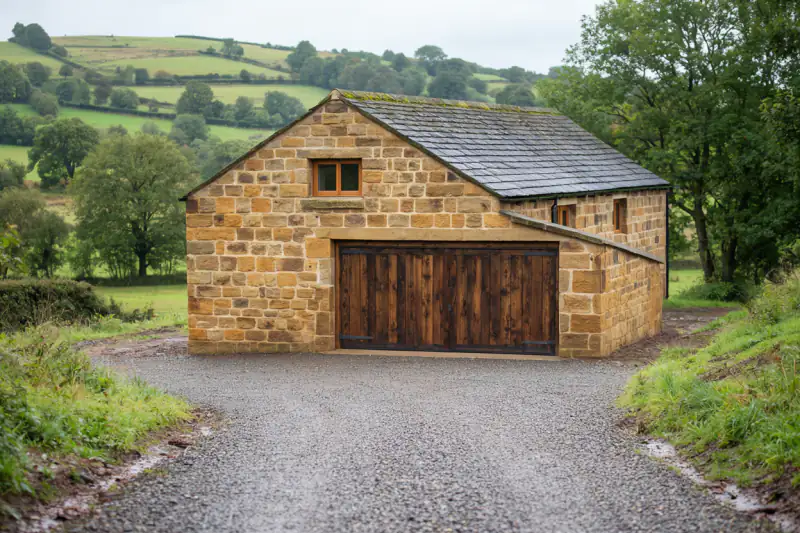
Out in the countryside, we look at power and remote range before we think about the door. Along the Tyne Valley around Hexham and Corbridge, garages are often converted outbuildings set away from the house. Range varies, and walls and buildings reduce it, so an external receiver aerial can often help on a long drive. Some interwar garages in Monkseaton have no electricity at all, and a qualified electrician would need to add a supply before any automation.
Larger homes bring a different challenge, which is weight. Around Ponteland and Darras Hall, many homes have double or triple garages, and the opener has to match a door on that scale. Our Ponteland page covers wide sectional doors in more depth.
Wherever you are, the most useful thing you can send us is a clear picture of your garage. Fill in the quote form at the top of this page with your postcode and a note about the drive, the opening and the power supply. We will confirm that we cover your area and suggest a door that suits your setting.