In most cases you can, because up-and-over and sectional doors can usually be fitted with an electric opener, and side-hinged doors can be automated with a dedicated kit. The condition of the door matters more than its age. A well-kept older door is often a better candidate than a newer one that has been neglected. A motor will move a door that is already working, so the first job is to find out what state yours is in.
Which types of door can be automated?
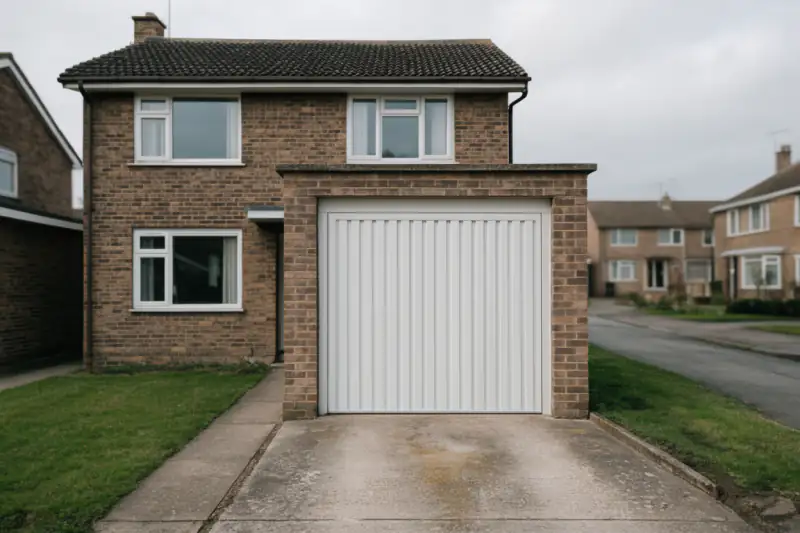
Most common garage doors can take a motor, although some need more work than others. A retractable up-and-over door is normally straightforward, because it runs back on horizontal tracks, and a sectional door is much the same since it already runs on tracks. Canopy up-and-over doors can usually be done too, but they tend to need an adaptor. Side-hinged doors take a dedicated kit, and only if the leaves are strong, square and swing freely.
If you are not sure which up-and-over door you have, look at it from the side when it is open. Horizontal tracks inside the garage mean it is retractable. If part of the door hangs outside and there are no long tracks, it is a canopy door. Our up-and-over doors page explains the difference in more detail.
How to test your door by hand
Lift the door by hand and pay attention to how it moves. It should travel evenly, with no sticking, scraping or sudden jerks. A door that fights you will fight a motor as well, and the motor will work too hard as a result.
Next, stop the door part of the way up, keeping your hands on it and everyone else well clear. A balanced door should stay roughly where you leave it. If it drops or flies upwards, the springs may need attention, and you should stop the test there.
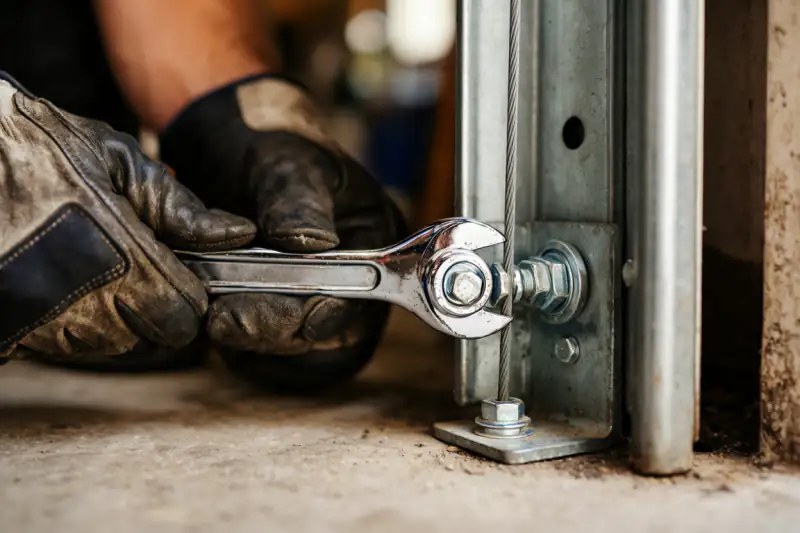
Do not adjust the springs or cables yourself. They hold the weight of the door under high tension, and a sudden release can cause serious injury. A repair can often put the door right, and then it can be automated afterwards.
What does the garage need?
Once the door passes the hand test, the next questions are about the space around it. You need room for the motor and its rail, a power supply nearby and a door that sits squarely in its frame.
Space for the motor
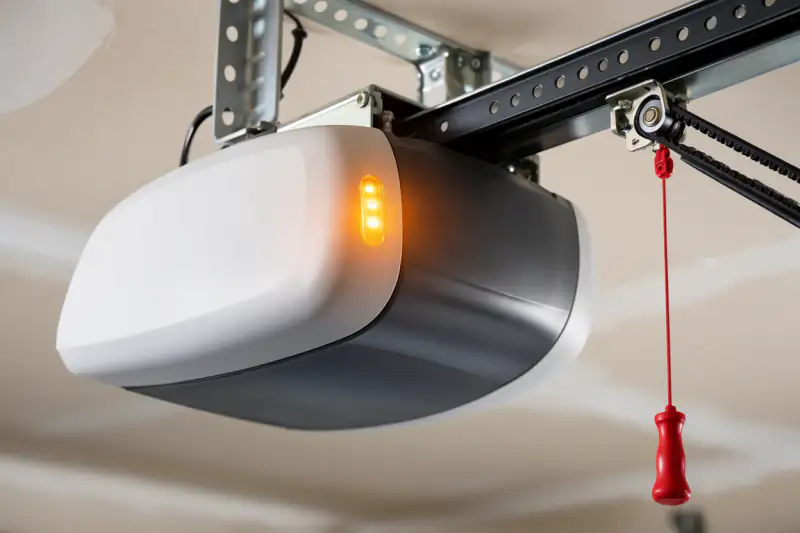
On most up-and-over and sectional doors, the motor and rail run along the ceiling, so there must be clear room above the door. Pipes, beams and low ceilings can get in the way. Send us a photo taken from inside the garage and we can often spot a problem early.
Power
The opener needs a socket close to the motor position. If there is none within reach, a new one typically costs £80 to £150 and should be fitted by a qualified electrician. Integral garages often have power nearby already, which keeps the job simple.
Detached garages at the back of older homes are the awkward case, because some have no electricity at all. That means a new supply, which is also a job for a qualified electrician. Sort this out before you order anything, as it can change the overall cost of the project.
What happens to the old lock and handle?
The motor normally holds the door shut once it is closed, so the old lock is often disabled. This stops anyone locking the door by mistake while the motor is trying to move it. Without that step, the door and the opener can both be damaged.
Exactly what happens depends on your door, and we will explain what applies before any work starts. If you are concerned about losing the lock, our guide on how secure electric garage doors are covers how motor locking works.
Which motor should you choose?
Choose your motor by where the garage sits in relation to the rooms you use. A chain drive is the usual value option and is louder, which rarely matters in a detached garage. A belt drive is quieter and suits an attached garage or one with a bedroom above. A direct drive is very quiet and is the one to pick where noise matters most.
Weight matters as well. A heavy timber door or a double door needs an opener matched to it, and an undersized motor can wear out early. Sizing the motor to the door is one of the first things we work out when automating a manual garage door.
How much does it cost?
Automating an existing up-and-over door typically costs £300 to £600 fitted for a single garage, based on 2026 UK guide figures. That compares with about £900 to £2,000 for a new electric roller door. A socket, a Wi-Fi module or a battery backup would all be extras, and our price guide has the typical figures for each. These are not our own price list, and your written quote will reflect your door.
When is a new door the better choice?
Replacing the door makes more sense when it is rusted, twisted or running on damaged tracks. A motor will only strain against those faults, and the safety systems can trip as a result. You might also find that the cost of repairs plus a motor comes close to the price of a new door.
There are good reasons to replace a door that still works, too. An old single-skin door on an integral garage can let a lot of cold into the house. On a short drive, a door that swings outwards can be a daily nuisance. A roller door lifts straight up and leaves that space free.
Will it still work in a power cut?
An electric door can still be opened in a power cut, because the manual release disconnects the motor and lets you move the door by hand. We show you how this works when we hand the door over. It matters most if the garage is your only way in, and in that case an external release or a battery backup is worth adding.
If your door passes the hand test and you have power close by, there is a good chance a motor will suit it. Send us the door type, its width and a couple of photos through the quote form at the top of this page. We will tell you if automation is the sensible route or if a new door would serve you better.